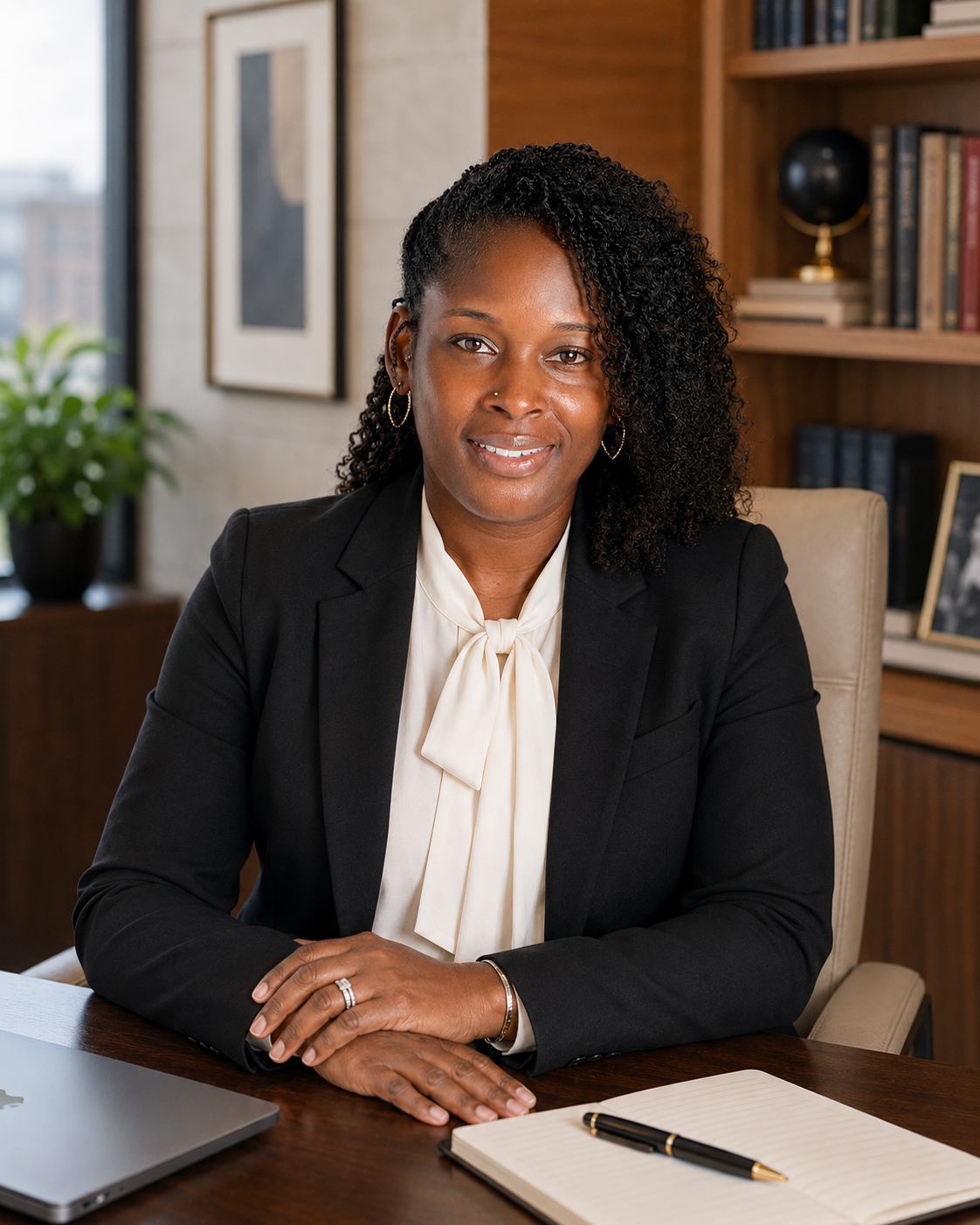
It started with a question I couldn't stop asking: why do so many bright kids struggle to read?
In classrooms across South Carolina, I kept meeting the same student, sharp in conversation, curious, capable, who fell apart on the page. They could sound words out, but meaning slipped away. They memorized vocabulary for Friday's quiz and forgot it by Monday. Tutoring helped for a week, then the same walls came back.
The deeper I looked, the clearer it became: these children weren't broken, and they weren't lazy. They had never been taught how language actually works, how words are built from smaller parts that carry meaning. Reading had been treated as memorization. But reading is language, and language has a structure you can teach.
Morphology changed everything. Once a child learns that words are built, thousands of "hard" words stop being walls and start being puzzles they can solve alone.
I earned certifications in Orton-Gillingham and Morphology Plus, pursued a Master's in Literacy Education, and spent years coaching teachers and writing curriculum. But the tools I needed didn't exist as a single, coherent system. So I built one.
MorphoMinds is the literacy system I wished I'd had, curriculum, assessment, a student platform, and professional learning, all designed around the science of how reading is built. This site is the body of work behind it.